
Phishing Simulation: The Key to Protecting Your Customer Data
Read Time 4 mins | 24 Feb 2026 | Written by: Hastin Lia
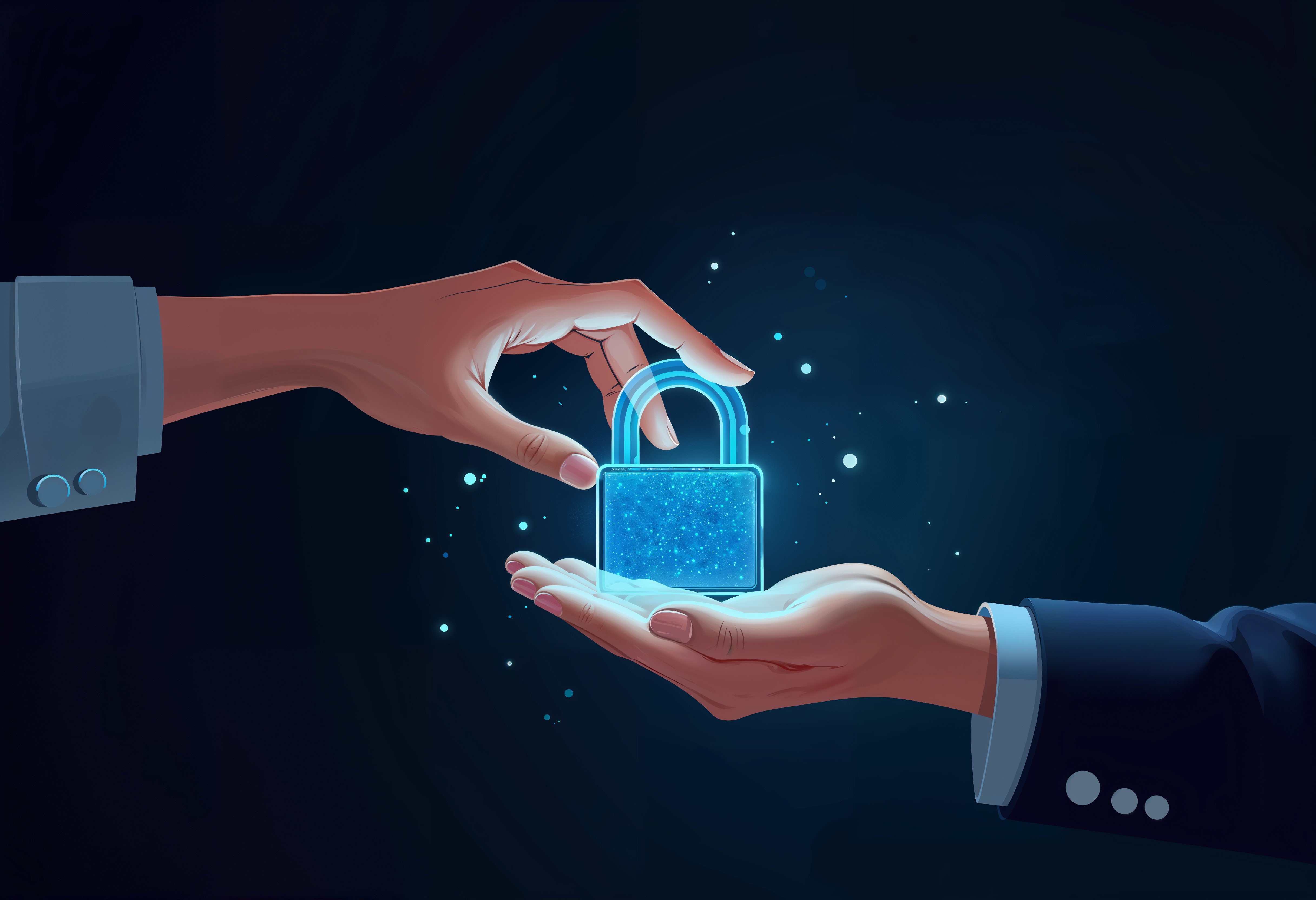
Threats to data security are becoming increasingly real and diverse. One of the biggest threats facing many companies is phishing attacks. Protecting customer data is a top priority for every organization, given the risks that can arise from these attacks. One effective method of protecting data is through the use of phishing simulations. This article will discuss what phishing simulations are, how phishing attacks can threaten data security, and why these simulations are an important step in maintaining corporate data security.
What is Phishing Simulation?
Phishing simulation is a training technique in which organizations send fake phishing emails or messages to their employees to gauge how alert they are to such threats. The purpose of phishing simulation is to increase employee awareness and help them understand the characteristics of real phishing attacks.
Phishing simulations are designed to be proactive learning tools that help employees become better prepared for real-world cyberattacks. In addition to serving as a test, these simulations allow companies to see how their employees respond to potential threats and determine whether they are tempted to click on malicious links or provide sensitive information.
Read: Phishing Simulation Trial via Email & WhatsApp
How Do Phishing Attacks Threaten Customer Data?
Phishing is a cyber attack in which attackers pretend to be someone trustworthy in order to steal personal information such as login details, credit card numbers, or other personal information. These attacks usually take the form of emails or text messages that appear to be from a trustworthy source, but are actually intended to trick victims into clicking on malicious links or downloading malicious software.
Common Phishing Techniques:
- Email Phishing: Attackers send emails that appear to be official in order to steal login information or personal data.
- Spear Phishing: Phishing attacks targeted at specific individuals or companies with more personalized and specific messages.
- Vishing (Voice Phishing): Phishing attacks via telephone in which attackers pretend to be official parties in order to extract sensitive information.
When customers fall victim to phishing attacks, their data can be stolen and used for various crimes, ranging from identity theft to financial fraud. For companies, this data breach not only damages their reputation, but can also lead to legal consequences and financial losses.
Benefits of Phishing Simulations for Companies
Phishing simulations offer a number of important benefits for companies, especially when it comes to protecting customer data.
1. Raising Employee Awareness
Phishing simulations help raise employee awareness about the threat of phishing. Employees become more skilled at recognizing suspicious emails or messages and understand the steps they need to take if they receive a malicious message.
2. Testing Employee Response
By testing employee response through phishing simulations, companies can identify who is vulnerable to these attacks. This allows companies to provide additional training or focus on areas that need improvement.
3. Identifying Weak Points
Phishing simulations help identify departments or individuals who are most vulnerable to cyber attacks. By knowing these weak points, companies can design better security policies and target more specific security training.
Phishing Simulation Implementation Process
To successfully implement a phishing simulation, there are several important steps that must be taken:
1. Preparation and Planning
Before launching the simulation, the company needs to set clear objectives and determine the target employees or departments to be tested. The company must also decide how often the simulation will be conducted to maintain high employee awareness.
2. Simulation Implementation
Phishing simulations must be conducted in a realistic manner, but without causing operational disruptions. Phishing messages sent must be designed to mimic real-world attacks. This allows employees to learn in situations that are close to reality.
3. Evaluation of Simulation Results
After the simulation is complete, it is important to analyze the results. How many employees fell into the trap? Was there an increase in awareness compared to previous simulations? From here, companies can design more effective improvement strategies.
Best Practices for Preventing Phishing Attacks
Preventing phishing attacks requires a proactive and comprehensive approach. Here are some best practices that companies can implement:
1. Regular Training and Employee Awareness
Ongoing training is essential to ensure that employees remain vigilant against phishing threats. Phishing simulations should be conducted regularly to maintain this vigilance.
2. Strict Security Policies
Good security policies, such as implementing two-factor authentication (2FA), strong password management, and data encryption, can protect customer data from phishing attacks. These policies also help minimize the impact of attacks if they occur.
3. Anti-Phishing Technology
In addition to training, companies should also use anti-phishing technology that can detect and block phishing emails before they reach employees' inboxes. This includes advanced spam filters and security monitoring tools that can detect suspicious activity.
Why is Phishing Simulation Key to Protecting Customer Data?
Phishing simulation is a proactive approach designed to train and strengthen employee awareness of cyber attacks. By integrating this simulation into a company's security strategy, we can prevent data leaks that may occur due to human error. In addition, phishing simulations help maintain customer trust by ensuring that companies are actively protecting their personal data from external threats.
Read: Reducing Human Risk Through Automated Phishing Simulations
Conclusion
Phishing simulations are an essential tool that every company serious about protecting customer data should use. By raising employee awareness, testing their responses, and identifying weaknesses in security systems, these simulations play a major role in preventing cyber attacks. For companies, protecting customer data is not only a legal obligation but also a long-term investment that helps maintain reputation and trust.
If you haven't started phishing simulations in your company, now is the time to take this proactive step and protect your customer data from evolving cyber threats.

 Mira
Mira