
Annoyed by Spam Calls? Here's Why They Happen and How to Avoid Them Effectively
Read Time 8 mins | 04 Jun 2026 | Written by: Nur Rachmi Latifa
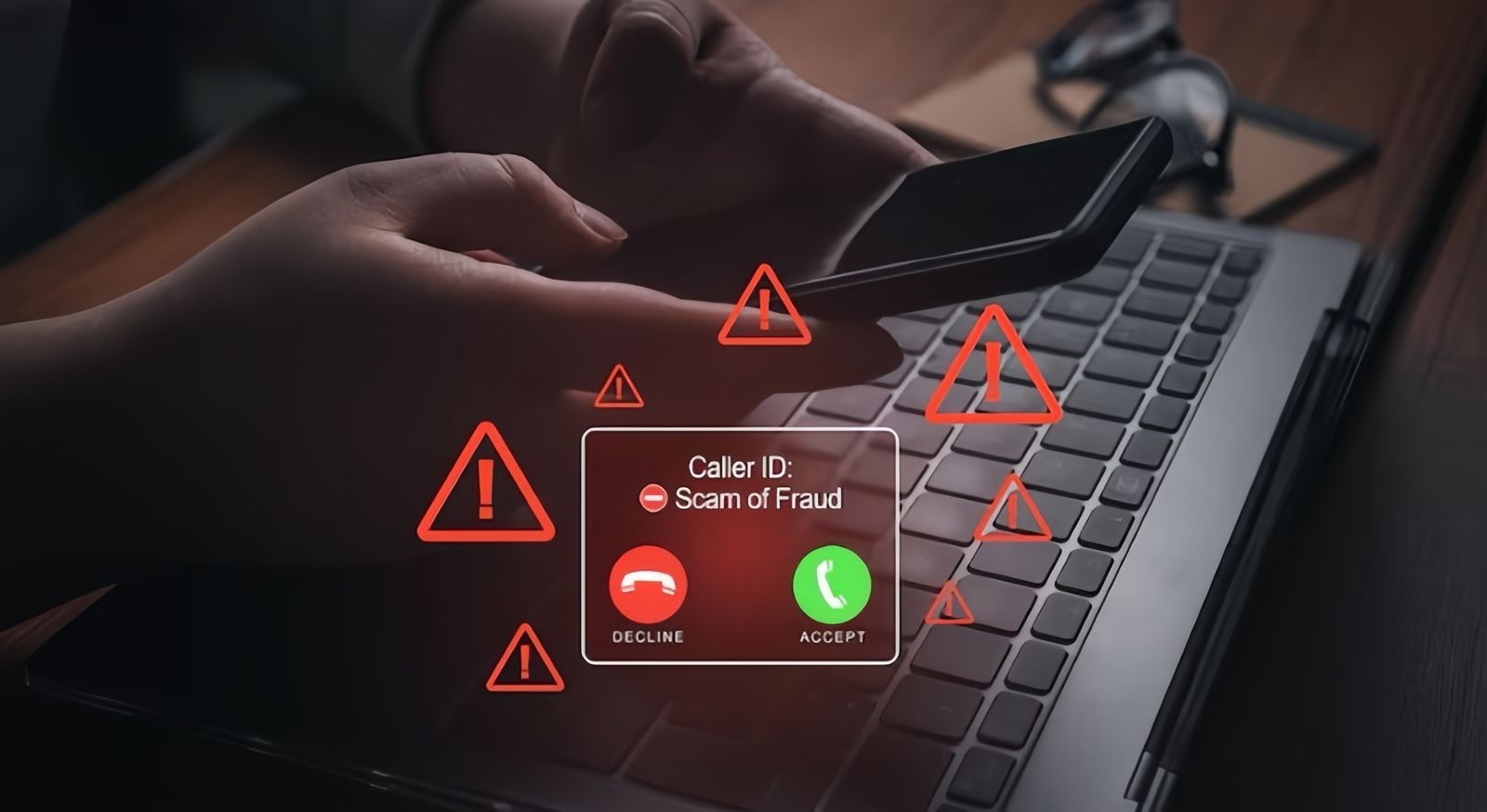
Spam calls have now become an increasingly common daily disturbance in the digital era. Not only do they disrupt comfort and convenience, but these calls often carry more serious risks, such as personal data theft or fraud. Spam calls can come in various forms, ranging from aggressive telemarketing and automated robocalls to phishing schemes disguised to obtain sensitive information. This has become a serious concern, especially in the context of cybersecurity, where personal data is a valuable asset that is often misused if it falls into the wrong hands.
The causes can vary, including data breaches, registrations on insecure websites, or the actions of third parties who illegally sell phone numbers. Therefore, understanding the causes and effective ways to avoid spam calls is an important step in protecting your privacy and digital security amid the ever-evolving cyber threats.
What Are Spam Calls?
Spam calls are unwanted phone calls that often disturb their recipients. The term is used to describe calls that aim to promote something, carry out scams, or even collect personal data without permission. Spam calls can originate from individuals, organizations, or automated systems such as robocalls, which are calls generated by software without human interaction. Spam calls can be categorized into the following types:
- Telemarketing
Calls from companies or sales agents offering products or services, often without prior consent. While some telemarketing calls are legitimate, many are made without complying with privacy regulations, making them disruptive to recipients. - Phishing Calls
These are fraudulent calls in which attackers impersonate legitimate entities, such as banks or government agencies, with the aim of deceiving recipients into providing sensitive information such as PINs, OTPs, or other personal data. - Robocalls
Automated calls that use pre-recorded messages and are made by a system. They are commonly used for mass promotional purposes but can also be used for scams or the spread of false information. - Scam Calls
This type of spam call is more dangerous because it is often used to trick victims into transferring money or taking certain actions. Tactics such as “you have won a prize” or “you have an overdue bill” are commonly used to lure victims.
This spam call phenomenon often occurs as a result of personal data breaches, where information is illegally sold either on online black markets or through the misuse of third parties. In addition to being a nuisance, spam calls pose significant cybersecurity risks because they can create opportunities for digital fraud and data theft that may cause substantial harm.
Read: Social Engineering Psychology How Hackers Exploit Human Behavior
Why Do You Keep Receiving Spam Calls?
Many people feel highly annoyed and frustrated by the constant stream of spam calls they receive. These unwanted calls not only disrupt daily life but also raise serious concerns about the protection of personal data. This situation often leads to questions about how personal information can be misused by irresponsible parties. To better understand the root causes of this issue, here are some of the main reasons why spam calls may continuously disrupt your activities through your mobile phone.
- Personal Data Breaches
One of the primary causes is personal data breaches. Information such as your phone number may have been stolen or leaked from a company or application where you previously registered. These breaches often occur due to weak cybersecurity protections, making customer data a target for hackers. - Registering on Insecure Websites or Applications
When you sign up for websites or applications that do not have clear privacy policies, your phone number may be sold to third parties without your consent. For example, some platforms that offer free services often monetize user data, including phone numbers, for marketing purposes. - Data Sold by Third Parties
Some third parties intentionally sell contact information to marketing companies or other irresponsible actors. This practice often involves data brokers or applications that obtain access to user information through terms and conditions that are rarely read by users. - Sharing Information on Social Media or Public Forums
Many people do not realize that displaying their phone numbers on social media platforms or online forums can create opportunities for spam calls. Publicly visible data can easily be collected by bots or individuals and used for marketing campaigns or more malicious purposes. - Your Number Is Included in Promotional Target Lists
Your phone number may have been added to promotional target lists because you previously provided your information to a company, such as when participating in a giveaway, contest, or promotional event. This can make you a frequent target for telemarketing calls.
It is important to understand that receiving spam calls frequently does not happen without a reason. The factors above demonstrate how a lack of awareness regarding personal data protection can create opportunities for spam calls to reach your mobile phone. By understanding the causes, you can become more vigilant and take appropriate preventive measures.
Cybersecurity Risks Associated with Spam Calls
Spam calls are often considered nothing more than a nuisance that wastes time, but if not handled wisely, these calls can pose serious risks to your cybersecurity and personal data. In general, spam calls will not cause significant harm as long as the recipient does not follow the instructions, threats, or manipulation tactics used by the caller. The greatest loss that may occur is simply the time wasted answering or dealing with the call.
However, the risk increases significantly when the recipient follows the caller’s instructions or falls into the social engineering traps designed by the attacker. In such situations, victims may face substantial losses, ranging from personal data theft to unauthorized access to financial accounts. One common scenario occurs when victims are directed to click on phishing links or share personal information such as bank account numbers, PINs, or OTP codes. Phishing, which is a form of cybercrime, is carried out by impersonating legitimate entities in order to trick victims into providing sensitive information.
The stolen data can then be used for various criminal activities, such as identity theft or financial account takeover. Therefore, it is important to recognize these fraudulent tactics and remain vigilant when receiving spam calls that request personal information or use threatening approaches. Refusing to engage further with suspicious callers and avoiding compliance with their instructions are key steps in protecting yourself from greater harm.
Effective Ways to Avoid Spam Calls
Avoiding spam calls requires proactive measures to prevent becoming a victim of unwanted disturbances or more serious threats. Although it may be difficult to eliminate spam calls completely, there are several effective ways to reduce their frequency and protect yourself from potential harm.
- Block Unknown Numbers
One of the simplest methods is to use the call-blocking feature available on your phone. If you receive a spam call from a particular number, add it to your block list immediately. Most modern Android and iOS devices already include this feature. Some phone applications can even automatically detect and block numbers that are suspected of being spam. - Use Anti-Spam Applications
Installing an anti-spam application can provide additional protection. Applications such as Getcontact, Truecaller, and similar services can identify unknown numbers and indicate whether they have been reported as spam. This makes it easier for you to decide whether to answer or ignore a call. - Be Careful When Sharing Your Phone Number
It is important to be more selective when providing your phone number, both online and offline. Avoid registering on untrusted websites, and make sure the platforms you use have clear privacy policies. In addition, be cautious when filling out forms at events, as phone numbers are often used by third parties for promotional purposes. - Enable Do Not Disturb Features
Many devices offer a "Do Not Disturb" feature that allows you to filter incoming calls and only receive calls from known contacts. This can be an effective way to reduce interruptions from spam callers. - Do Not Answer Suspicious Calls
If you receive a call from an unknown or suspicious number, it is generally best to ignore it. Answering spam calls may signal to spammers that your number is active, making it more likely that you will be targeted again in the future.
By applying these measures, you can significantly reduce the risk of spam call disruptions. In addition, staying vigilant and exercising caution when interacting with unknown callers remains one of the most important ways to protect your privacy and personal data security.
Additional Tips to Strengthen Your Cybersecurity
In addition to understanding how to avoid spam calls, it is important to take broader steps to protect your cybersecurity. Spam calls are often just one part of a wider range of cyber threats that can compromise your personal data and digital security. As social engineering techniques and data breaches continue to increase, you need to develop stronger habits and protection mechanisms to reduce the likelihood of becoming a target. Below are several additional tips that can help improve your overall cybersecurity posture.
Regularly Update Your Passwords and Use Strong Passwords
Many people reuse the same password across multiple accounts or rarely change them, creating opportunities for cybercriminals. Use a combination of letters, numbers, and symbols, and avoid using easily guessed personal information. You can also use a password manager to store and manage passwords securely and efficiently.
Enable Two-Factor Authentication (2FA)
Two-factor authentication is one of the most effective ways to add an extra layer of security to your online accounts. With 2FA enabled, even if a cybercriminal obtains your password, they will still need an additional verification code, typically sent to your personal device. This significantly reduces the risk of unauthorized access to your personal or professional accounts.
Be Cautious of Suspicious Links
Avoid clicking links from unknown or suspicious sources, especially those received through SMS messages, emails, or phone calls. Such links are commonly used to conduct phishing attacks or distribute malware designed to steal your data.
Use the Right Cybersecurity Solutions
To protect personal and organizational data, it is important to implement more comprehensive cybersecurity solutions. SiberMate provides Human Risk Management solutions that help organizations minimize cybersecurity risks caused by human error. Through services such as Breach Monitoring for real-time data leak detection and Automated Security Awareness Training to improve employee cybersecurity awareness, SiberMate helps organizations become better prepared to face a wide range of cyber threats.
By following these tips, you can not only protect yourself from spam calls but also build stronger defenses against more sophisticated cybersecurity threats. SiberMate’s solutions help ensure that both individuals and organizations benefit from comprehensive protection through a combination of technology and security awareness. Remember, small cybersecurity actions taken today can provide significant protection in the future.
Read: Simple Ways to Stay Safe from Phishing Scams Online
Conclusion
Spam calls are more than just a nuisance; they can become an entry point for more serious cybersecurity threats if not handled wisely. Understanding the causes of spam calls, such as personal data breaches and the uncontrolled spread of information, is the first step toward preventing them. By implementing measures such as blocking suspicious numbers, using anti-spam applications, and being cautious about sharing your phone number, the risks associated with these unwanted calls can be significantly reduced.
In addition, it is important to build stronger cybersecurity awareness and habits, such as regularly updating passwords, enabling two-factor authentication, and participating in security awareness training. Support from solutions like SiberMate, through its Human Risk Management approach, further strengthens data protection and helps organizations address cyber threats more effectively. With the right level of vigilance and appropriate preventive measures, you can protect your privacy and secure your data against the risks posed by spam calls and other cyber threats.

 Mira
Mira