
The Evolution of Phishing: Old Attacks, New Techniques, and Defense Strategies
Read Time 8 mins | 18 Jun 2026 | Written by: Nur Rachmi Latifa
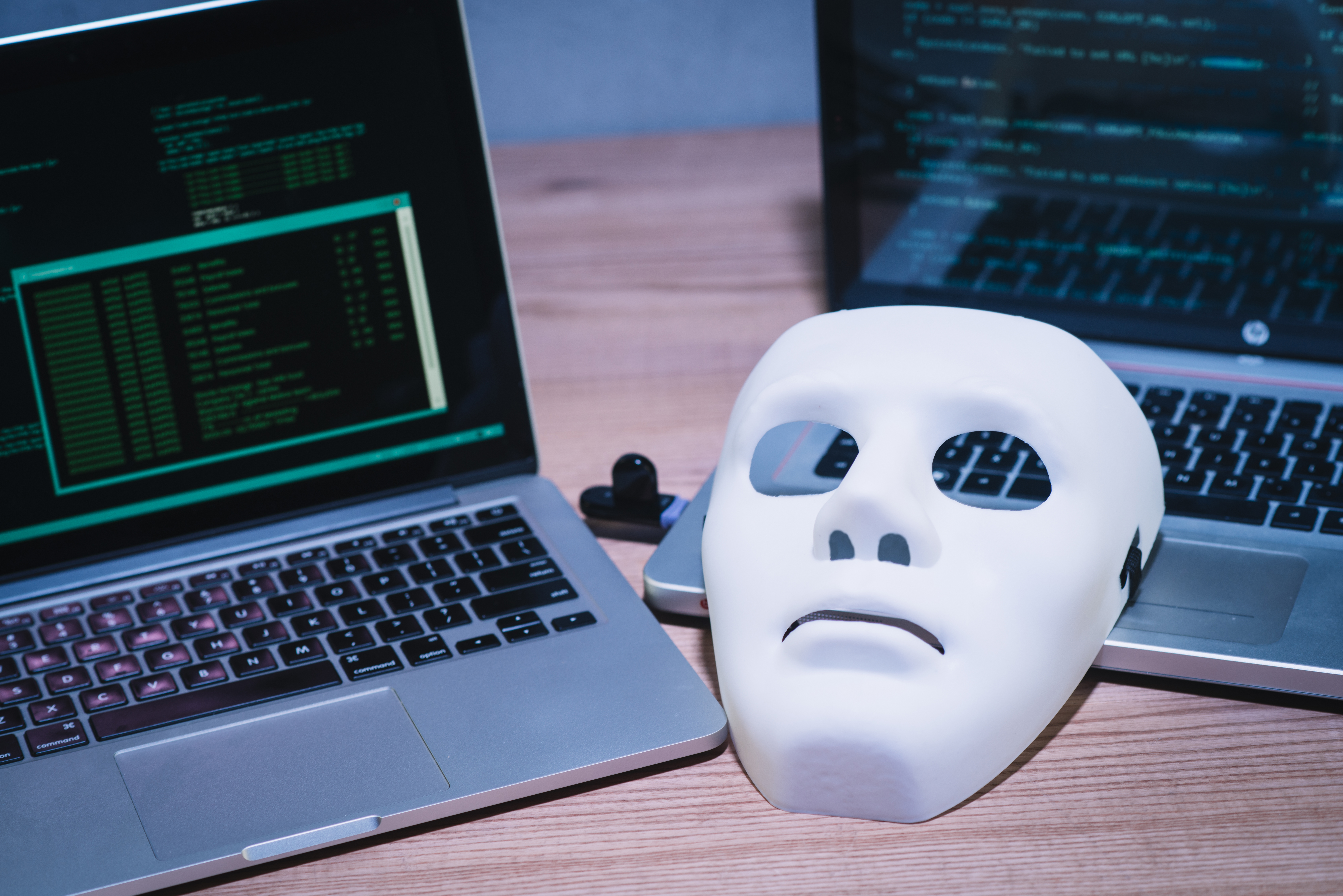
Phishing is a type of cyberattack designed to steal sensitive information by exploiting the victim’s trust. While these attacks were once easy to spot—characterized by emails riddled with typos and implausible promises—phishing has now evolved into a sophisticated threat that is difficult to distinguish from genuine communications. By leveraging modern technologies such as deepfakes and personalized approaches through spear phishing, these attacks have become increasingly effective at targeting both individuals and organizations. Understanding the evolution of phishing is a crucial step in protecting yourself from this ever-evolving threat.
The Early Phase of Phishing: Quantity Over Quality
In the early 2000s, phishing attacks focused more on the volume of attacks rather than the sophistication of the techniques used. Attackers distributed emails in bulk to thousands or even millions of recipients without paying much attention to how convincing the messages appeared. These emails often contained numerous spelling mistakes, poor grammar, and low-quality visual elements such as poorly replicated logos. The attackers simply hoped to find individuals who were inattentive or unaware of phishing threats.
Although these campaigns appeared simplistic, they were surprisingly effective at the time because many people had limited awareness of phishing attacks and how to recognize them. Some of the most common scams during the early phishing era included:
Fake Lottery Scams
This scam exploited people's attraction to large, unexpected rewards. Victims received messages claiming they had won a substantial lottery prize, even though they had never entered any lottery. The email typically requested a small administrative or processing fee before the prize could be released. For example, the message might state:
"Congratulations! You have won $1 million! Please send a $50 processing fee to claim your prize."
This technique preyed on the excitement of sudden wealth, encouraging victims to act impulsively without carefully evaluating the legitimacy of the offer.
The "Nigerian Prince" Scam
This scam involved lengthy, dramatic messages allegedly sent by a wealthy Nigerian prince, royal family member, or government official. The sender claimed to possess a large sum of money that needed to be transferred out of the country and promised the recipient a substantial reward for assisting with the transaction.
To facilitate the transfer, victims were asked to provide personal banking information or make advance payments. While the story often seemed implausible, some individuals were persuaded by the detailed narrative and the promise of significant financial gain.
Account Verification Scams
This scam relied on fear and urgency to pressure victims into taking immediate action. Attackers sent emails that appeared to come from legitimate financial institutions, claiming that the victim's bank account had been locked, suspended, or was at risk of being disabled. The email instructed recipients to quickly "verify" their account information by clicking a provided link. In reality, the link directed victims to a fraudulent website designed to steal login credentials and sensitive information.
Although these scams may seem simple and easy to identify today, they were highly effective at the time because most people were unfamiliar with phishing tactics. Many victims trusted these messages and failed to recognize the warning signs of fraud. Over time, however, phishing techniques have evolved dramatically. Modern phishing attacks are far more sophisticated, personalized, and difficult to detect, making proactive security awareness and protection measures more important than ever.
Read: Simple Ways to Stay Safe from Phishing Scams Online
Modern Phishing: More Sophisticated, More Targeted, and Harder to Detect
Phishing attacks in the modern era have evolved into a far more complex threat than before. Today, attacks are no longer carried out randomly with messages that are easy to recognize as scams. Instead, attackers use advanced technologies and psychological manipulation techniques to create highly convincing schemes. These messages often appear legitimate and are difficult to distinguish from official communications, making them more dangerous for both individuals and organizations. Some of the most common types of modern phishing attacks include:
Spear Phishing
This attack specifically targets certain individuals by impersonating someone known to the victim, such as a supervisor or colleague. The scam is designed to appear highly personal, with messages that seem official. For example, an attacker may send an email that appears to come from the company's "CEO," requesting an urgent fund transfer for a particular project. These emails often include elements that appear legitimate, such as digital signatures or official communication formats, to increase credibility.
Clone Phishing
Clone phishing involves creating a copy of a genuine email that has been previously received, but with harmful modifications. Attackers replace links or attachments in the email with versions containing malware or directing victims to phishing pages. For example, an employee may receive an invoice from a "trusted vendor" requesting payment, but the link within it leads the victim to a fake website designed to steal credentials or infect their device.
Smishing (SMS Phishing)
This attack is carried out through text messages or messaging applications. These messages usually claim to come from official institutions such as banks or service providers, with the goal of deceiving victims into providing sensitive information. For example, a victim may receive a message warning of suspicious activity on their bank account, followed by a request to log in through a link that is actually a fake website.
Fake Login Pages
This type of phishing involves creating counterfeit websites that resemble the original login pages of popular services, such as social media platforms, banking services, or workplace applications. Victims are directed to enter their credentials on these fake pages, which are then transmitted to the attackers. For example, someone may be directed to a "Facebook" login page that appears legitimate but is actually a phishing site designed to steal their login information.
Deepfake Phishing
Deepfake phishing is a form of phishing attack that utilizes artificial intelligence to create highly realistic fake videos or voice messages. Attackers can impersonate supervisors, colleagues, or other individuals trusted by the victim. For example, an employee may receive a voice message from their "boss" requesting confidential information or specific actions. The high level of realism makes this type of attack extremely difficult to identify as a scam.
With increasingly advanced technological capabilities, modern phishing not only exploits technical vulnerabilities but also human psychological weaknesses. This makes it one of the most dangerous cyber threats and requires greater vigilance as well as more effective protective measures.
Why Phishing Remains Extremely Dangerous
Although cybersecurity technology continues to advance rapidly with increasingly innovative and sophisticated tools, phishing attacks remain one of the most serious threats faced by organizations and businesses worldwide. Despite the many protective measures that have been implemented, the effectiveness of phishing attacks shows no signs of declining. This is due to various factors that make phishing both dangerous and difficult to completely prevent. Below are some of the main reasons why phishing continues to be a major concern for many organizations and individuals.
Phishing Is Personal
Phishing does not only exploit weaknesses in software; it also takes advantage of human vulnerabilities such as mistakes, trust, and panic. Attackers have become increasingly skilled at tailoring their messages to match the profile of their target. By personalizing attacks, for example by impersonating a coworker or a trusted party, attackers make their messages appear more authentic and harder to recognize as scams. These attacks trap victims not only from a technical perspective but also psychologically, causing them to act on the attacker's requests without careful consideration.
Phishing Is Everywhere
As communication technologies continue to evolve, phishing attacks are no longer limited to email. Today, phishing can be found across various communication channels, including text messages (smishing), phone calls (vishing), social media platforms, and messaging applications such as WhatsApp or Telegram. This diversity of channels makes phishing attacks more difficult to avoid because attackers can exploit virtually every platform that victims use regularly. Furthermore, this multi-channel approach increases the likelihood of success, as attackers can target victims from multiple directions.
Phishing Causes Significant Financial Damage
The financial impact of phishing attacks is substantial, particularly for businesses. According to a report by IBM (International Business Machines Corporation), the average cost of a single phishing attack on an organization reaches $4.91 million. These costs include the loss of sensitive data, operational disruption, reputational damage, and recovery expenses. For small businesses, such attacks can even completely disrupt operations due to limited resources available for recovery. Beyond direct financial losses, phishing attacks can also lead to a loss of customer trust, creating long-term consequences for business sustainability.
With its highly personal nature, broad attack surface, and significant financial impact, phishing continues to be a dangerous threat. It is essential for both individuals and organizations to remain vigilant and invest time and resources in improving cybersecurity awareness while strengthening their defensive strategies.
Future Defense: Protecting Yourself and Your Business from Phishing
In the face of increasingly sophisticated phishing threats, proactive and layered protection measures have become essential. Protection should not rely solely on technology but should also integrate strategies based on individual awareness and organizational policies. Below are several comprehensive approaches to protecting individuals and businesses from phishing attacks in the future:
Proactive Strategies: Prevention Is Better Than Cure
A proactive approach to phishing is far more effective than reactive actions taken after an attack has occurred. Organizations and individuals should focus on prevention through continuous cybersecurity education and training. Regular training programs can help increase awareness of phishing threats and teach practical steps for identifying them. In addition, organizations should conduct routine evaluations of their security systems to ensure that all security gaps are addressed before attackers can exploit them.
Using Advanced Technology for Detection and Prevention
Advancements in technology have introduced more sophisticated tools for detecting and preventing phishing attacks. Artificial intelligence (AI) and machine learning-based systems are now capable of analyzing threat patterns in real time and detecting suspicious activities before damage occurs. Furthermore, implementing Multi-Factor Authentication (MFA) is a critical step in protecting access to essential systems. With MFA, even if user credentials are compromised, attackers will not easily gain access without an additional authentication factor, such as a one-time password (OTP) or a biometric device.
Increasing Individual Awareness: The Last Line of Defense
Individuals are the primary targets of phishing attacks, making awareness a critical component of defense. Providing training that teaches people how to recognize phishing indicators, such as suspicious email addresses, unfamiliar links, or urgent requests for personal information, can help them become more vigilant. Maintaining a healthy level of skepticism toward messages requesting sensitive information, especially those claiming to come from official sources while containing suspicious elements, is an important habit to develop.
Implementing Cybersecurity Policies Within Organizations
Organizations play an important role in creating a work environment that is resilient against phishing attacks. This can be achieved by establishing clear security protocols, such as restricting access to sensitive information to authorized personnel only and using encryption to protect data. In addition, phishing simulations are highly effective tools for testing and improving employee readiness against real-world threats. By simulating phishing scenarios, organizations can assess employee awareness levels and provide targeted feedback to strengthen areas that remain vulnerable.
Defending against phishing requires a comprehensive approach that combines advanced technology, individual awareness, proactive strategies, and structured organizational policies. By implementing these measures, businesses and individuals can minimize the risks posed by increasingly complex phishing attacks while protecting valuable data, reputation, and trust in today's digital environment.
Read: Phishing Scam Targeting Expectant Mothers You Need to Know This
Conclusion
Phishing has evolved into one of the most sophisticated and difficult-to-detect cyber threats, making it a major risk for both individuals and organizations. To effectively address this threat, a proactive and comprehensive approach is required, including cybersecurity awareness training, the use of advanced technologies such as AI and Multi-Factor Authentication (MFA), and the implementation of strong security policies. Increasing individual awareness and conducting phishing simulations are also essential components of an effective defense strategy.
At SiberMate, we are committed to providing comprehensive solutions to help protect your business from phishing and other cyber threats. Contact us today to ensure your organization is prepared against potential attacks. The best time to act is now—don't wait until a crisis occurs. With SiberMate, you can build a stronger security posture and safeguard your most valuable assets in today's digital world.

 Mira
Mira